
Capping Torque Guide: How to Select the Right Torque for Screw Caps
Capping torque is the rotational force used to tighten a screw cap onto a container neck. Selecting the right torque is essential for achieving a secure closure without overtightening the cap. Too little torque can cause loose caps or leakage, while excessive torque may damage the cap, container neck, or sealing liner.
There is no universal torque value for every screw cap. The correct setting depends on the cap material, cap diameter, bottle neck finish, liner or seal design, container material, and product requirements. Manufacturers should determine the appropriate torque range through closure specifications and practical testing.
What Factors Affect the Required Capping Torque?
Cap and container design have the greatest influence on torque requirements. A larger cap may require different tightening conditions from a smaller cap, while PET, HDPE, PP, and glass containers can respond differently to applied torque.
The closure liner or sealing insert is also important. The cap needs sufficient torque to compress the sealing component and create the intended seal, but excessive compression can affect closure performance. Thread design, bottle neck finish, cap material, and friction between mating surfaces can further change the required torque.
For food, beverage, sauce, cosmetic, and other packaging applications, manufacturers should consider both application torque and removal torque. The cap should remain secure during transportation and storage while still allowing the intended opening force for the end user.
How Can Manufacturers Determine the Correct Torque?
A practical approach is to obtain the cap supplier's recommended torque range and then verify it using the actual bottle and cap combination. Several samples should be capped at different torque settings and inspected for leakage, cap deformation, liner compression, and opening performance.
The selected torque should remain stable across normal production conditions. If the same cap is applied with significantly different torque values from bottle to bottle, the resulting sealing quality may become inconsistent.
How Does an Automatic Screw Capping Machine Control Torque?
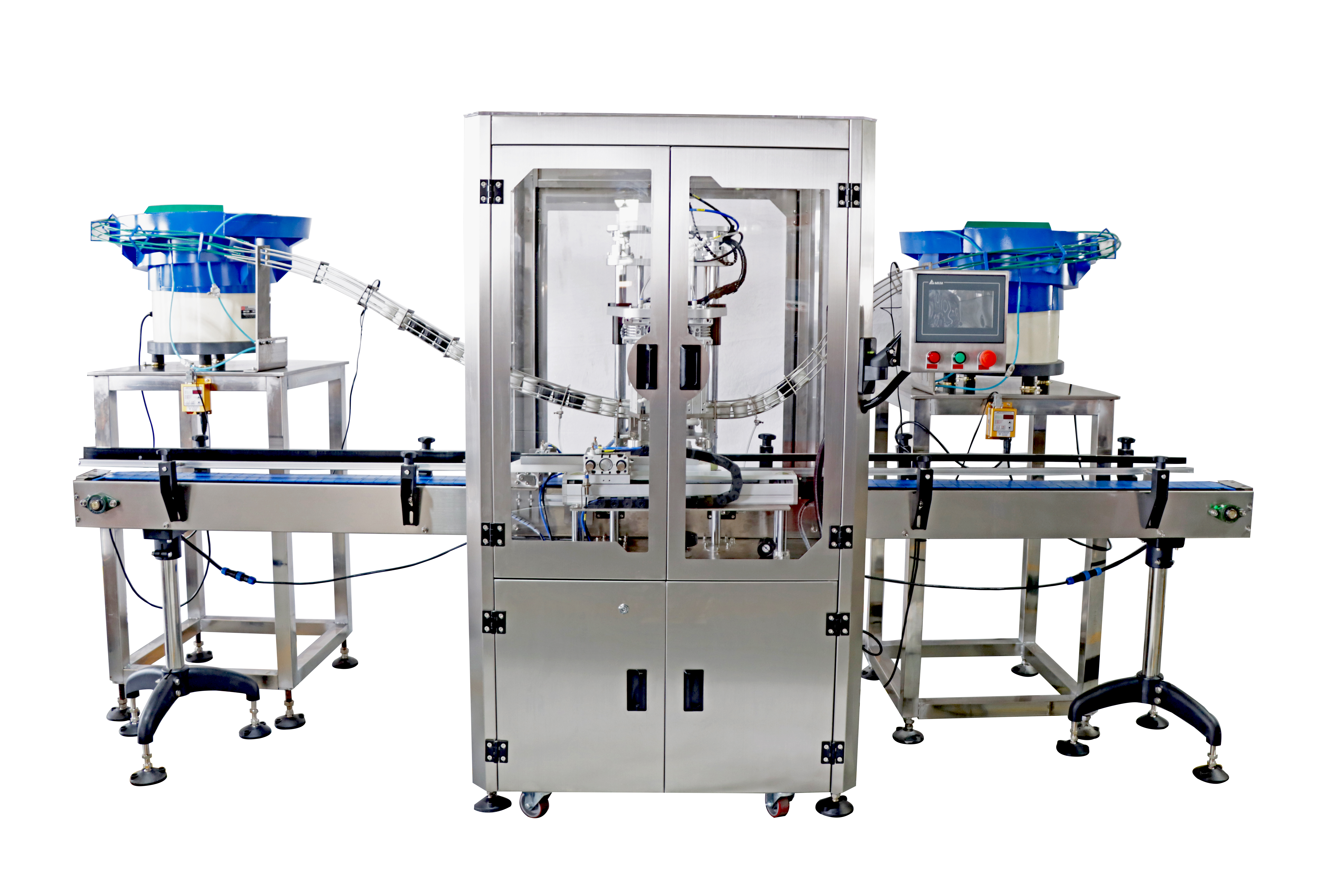
An automatic screw capping machine uses a controlled tightening mechanism to rotate the cap onto the threaded container neck. Servo-driven systems can provide precise torque adjustment, allowing operators to configure the tightening force according to different cap and bottle specifications.
The machine must also maintain accurate bottle positioning, cap alignment, and capping-head pressure. Torque alone cannot correct a poorly positioned bottle or incorrectly supplied cap. These mechanical factors work together to achieve consistent screw cap sealing.
Guangzhou Full Harvest Industries Co., Ltd. is a packaging machinery manufacturer providing automatic screw capping equipment for food, beverage, and other packaging applications. Its capping systems can be configured according to bottle dimensions, cap specifications, required torque, and production capacity.
| Torque Selection Factor | Why It Matters |
|---|---|
| Cap Diameter | Influences tightening requirements |
| Cap Material | Affects friction and deformation |
| Bottle Neck Finish | Determines thread compatibility |
| Sealing Liner | Influences sealing compression |
| Container Material | Affects resistance to torque |
| Product Type | Determines sealing requirements |
| Target Torque | Controls final closure tightness |
What Should Be Checked After Torque Adjustment?
After changing the torque setting, manufacturers should inspect cap tightness, leakage resistance, cap appearance, liner condition, and opening performance. Torque testing should be repeated after production begins to confirm that the machine maintains the selected setting consistently.
For new products or new cap formats, providing actual bottle samples, cap samples, neck specifications, and target production speed allows the capping machine configuration to be tested more accurately. This helps manufacturers establish a repeatable torque setting instead of relying on a generic value.