
ROPP Capping Machine vs Screw Capping Machine: What Is the Difference?
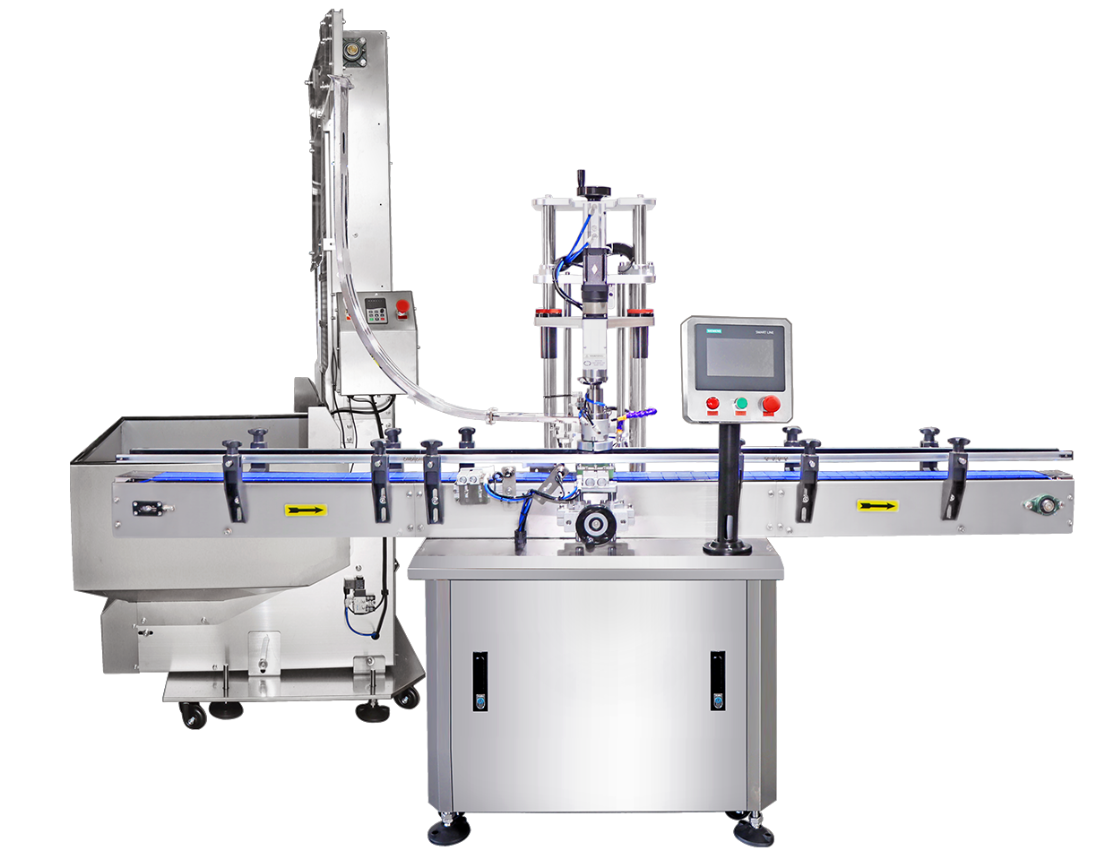
The main difference between a ROPP capping machine and a screw capping machine is how the closure is applied. A ROPP capping machine forms an aluminum cap around the threaded neck of the container, while a screw capping machine tightens an already threaded cap by rotating it onto the bottle.
ROPP capping is commonly used with aluminum Roll On Pilfer Proof caps, particularly for glass bottles and rigid containers. Screw capping is generally used with pre-threaded plastic or metal screw caps. The choice between the two depends mainly on the cap design, bottle neck finish, packaging requirements, and desired production process.
ROPP Capping vs Screw Capping: Key Differences
A ROPP capping machine starts with an unthreaded aluminum closure. The cap is positioned over the bottle neck, and forming rollers rotate around the cap while applying controlled pressure. The aluminum material is shaped to match the existing bottle thread, creating the finished screw thread and tamper-evident closure.
A screw capping machine, in contrast, uses a cap that already contains an internal thread. The capping head grips and rotates the cap onto the matching bottle thread. Adjustable torque is normally used to control how tightly the cap is applied.
| Feature | ROPP Capping Machine | Screw Capping Machine |
|---|---|---|
| Main Closure | Aluminum ROPP Cap | Pre-Threaded Screw Cap |
| Capping Method | Roll Forming | Cap Rotation |
| Thread Formation | Formed During Capping | Already Formed in Cap |
| Typical Material | Aluminum | Plastic / Metal |
| Tamper Evidence | ROPP Pilfer-Proof Feature | Depends on Cap Design |
| Common Containers | Glass & Rigid Containers | PET, HDPE, PP, Glass |
| Main Adjustment | Roller Position & Pressure | Torque & Capping Position |
The two machines therefore perform different mechanical operations even though both produce a threaded closure. Selecting the wrong capping technology can result in poor cap formation, inconsistent sealing, or unnecessary machine adjustments.
Which Capping Machine Should Manufacturers Choose?
A ROPP capping machine is a strong choice when the product uses aluminum Roll On Pilfer Proof closures and the bottle has a compatible threaded neck finish. It is widely suited to applications where aluminum cap appearance and tamper-evident protection are important.
A screw capping machine is more appropriate when the packaging system uses pre-formed threaded caps. Applications can include beverages, sauces, food products, cosmetics, household products, and other packaged goods using compatible plastic or metal screw closures.
The production requirements should also be considered. ROPP machines need correctly matched forming rollers, cap dimensions, and bottle neck specifications, while screw capping machines focus more on cap feeding, bottle positioning, gripping, and tightening torque.
How Does Cap Material Affect the Choice?
The cap material is one of the fastest ways to determine the appropriate technology. If the closure is an aluminum ROPP cap that needs to be formed around the bottle neck, a ROPP capper is required. If the closure already has internal threads, a screw capping machine is generally the appropriate solution.
For manufacturers using several packaging formats, actual bottle and cap samples should be tested before selecting the machine. Neck diameter, thread profile, cap diameter, cap height, cap material, and required sealing performance all influence the final machine configuration.
Guangzhou Full Harvest Industries Co., Ltd. is a packaging machinery manufacturer providing both aluminum ROPP capping and automatic screw capping solutions for food, beverage, and other packaging applications. The factory can configure capping equipment according to the customer's container, closure, production speed, and sealing requirements.
What Should Be Checked Before Buying a Capping Machine?
Manufacturers should first identify the cap type and bottle neck finish, then determine the required production speed and automation level. For ROPP applications, aluminum cap dimensions and bottle neck specifications are particularly important. For screw capping, cap thread design and required tightening torque are key considerations.
A simple selection process is identify the closure → check the bottle neck → determine the sealing method → confirm production speed → test actual samples. This prevents manufacturers from choosing equipment based only on general machine specifications and helps ensure that the selected capping technology matches the complete packaging system.