
Which Capping Machine Is Best for Sauce Packaging?
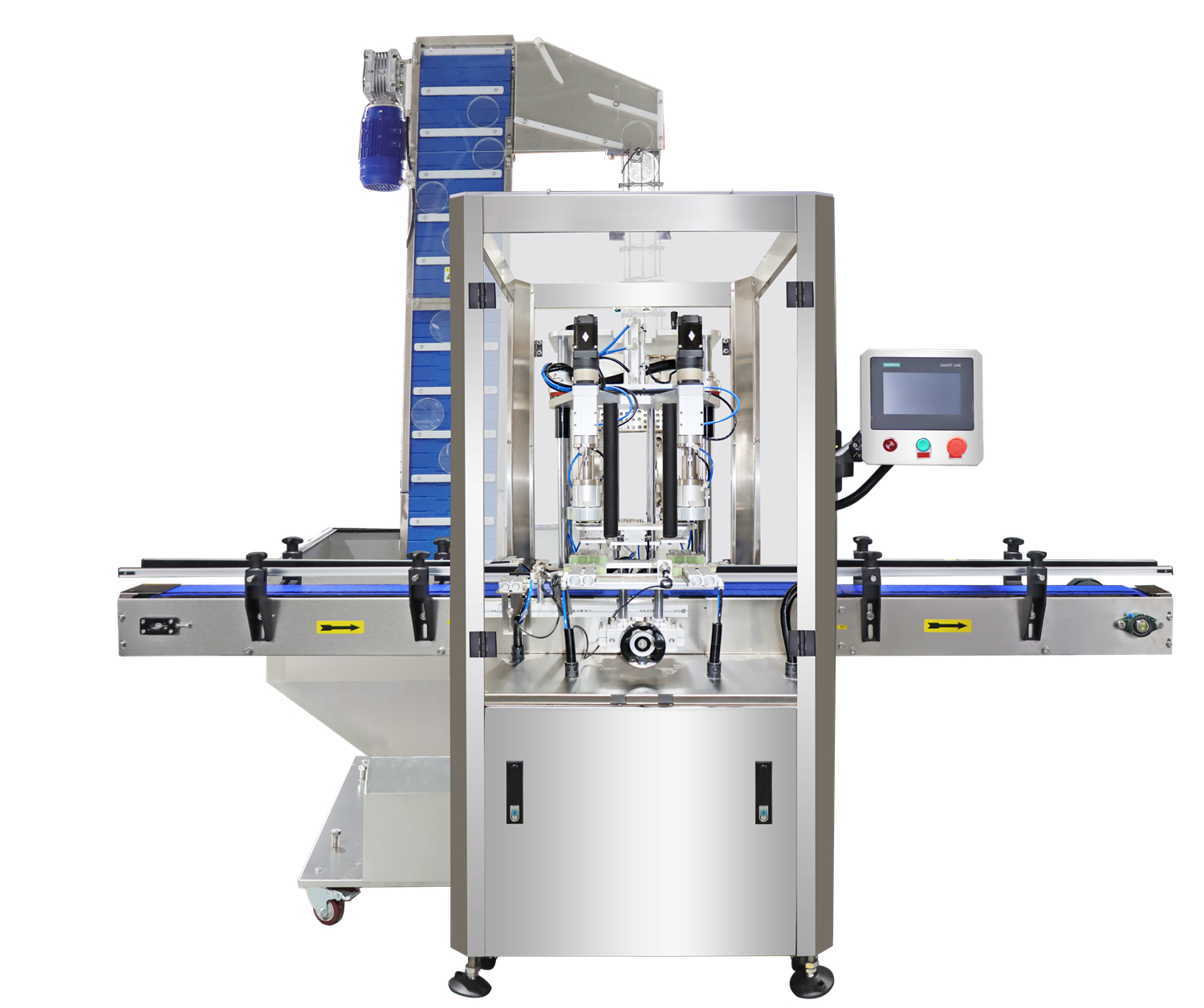
The best capping machine for sauce packaging depends on the sauce product, container type, cap design, required sealing method, and production speed. Sauces such as ketchup, chili sauce, hot sauce, salad dressing, barbecue sauce, and pasta sauce can be packaged in PET bottles, glass bottles, plastic jars, or glass jars with different closure systems.
For sauces using pre-threaded screw caps, an automatic screw capping machine is usually the appropriate choice. For sauces packaged in glass jars with lug or twist-off lids where vacuum sealing is required, a vacuum capping machine is generally more suitable.
Which Capping Method Matches Different Sauce Packages?
An automatic screw capping machine tightens pre-threaded caps onto compatible sauce bottles or containers. Servo torque control can provide consistent tightening force, helping prevent loose caps while avoiding excessive torque that could damage the closure or container.
This configuration works well for sauces filled into PET, HDPE, PP, or compatible glass bottles. Applications can include ketchup, hot sauce, chili sauce, soy-based sauces, salad dressing, and other liquid or semi-liquid condiments using threaded closures.
For sauces packed in glass jars with twist-off or lug caps, a vacuum capping machine can create vacuum conditions during the sealing process. This configuration is commonly used for products such as pasta sauce, tomato sauce, cooking sauces, jams, and other jarred foods where vacuum sealing is part of the packaging requirement.
| Sauce Packaging | Recommended Capping Machine | Typical Closure |
|---|---|---|
| PET Sauce Bottle | Screw Capping Machine | Screw Cap |
| HDPE Sauce Container | Screw Capping Machine | Screw Cap |
| Glass Sauce Bottle | Screw Capping Machine | Screw Cap |
| Glass Sauce Jar | Vacuum Capping Machine | Lug / Twist-Off Lid |
| Vacuum-Sealed Sauce Jar | Vacuum Capping Machine | Twist-Off Lid |
What Should Sauce Manufacturers Consider When Selecting a Capper?
The cap type and container neck finish should be checked first. A threaded plastic cap requires a different capping mechanism from an aluminum ROPP cap or a twist-off vacuum lid. Container diameter and height also determine the required machine adjustment range.
Production speed is another important factor. Small sauce producers may benefit from semi-automatic equipment, while high-volume manufacturers may require multi-head automatic capping systems integrated with filling, labeling, and packaging equipment.
Guangzhou Full Harvest Industries Co., Ltd. is a packaging machinery manufacturer providing automatic capping and sealing equipment for food and beverage applications. Its equipment can be configured according to sauce container dimensions, cap specifications, production capacity, and sealing requirements.
How Can the Capping Process Improve Sauce Packaging?
Consistent cap application helps protect sauces during transportation, storage, and retail handling. Correct screw torque or vacuum conditions can reduce loose closures, leakage risks, and inconsistent package appearance.
For manufacturers handling multiple sauce products, actual bottle or jar samples, cap or lid samples, product characteristics, target speed, and sealing requirements should be provided before machine selection. Sample testing allows the capping configuration to be matched to the complete sauce packaging process.
A typical sauce packaging line may combine sauce filling → cap or lid feeding → automatic capping → sealing inspection → labeling → date coding → secondary packaging, with the capping technology selected according to the specific container and closure system.